The Rule of Imagination
It doesn’t matter if you are using a smartphone or a professional camera, this rule will help you to click better versions of pictures. The Rule of Thirds is an easy way to make your photos look better. By placing your subject along the grid lines or where the lines meet, you can create pictures that look more balanced and interesting.
4 min

What is the Rule of Thirds?
The Rule of Thirds is one of the simplest yet most powerful composition techniques in photography and filmmaking. It helps photographers and filmmakers create balanced, visually engaging, and aesthetically pleasing images.
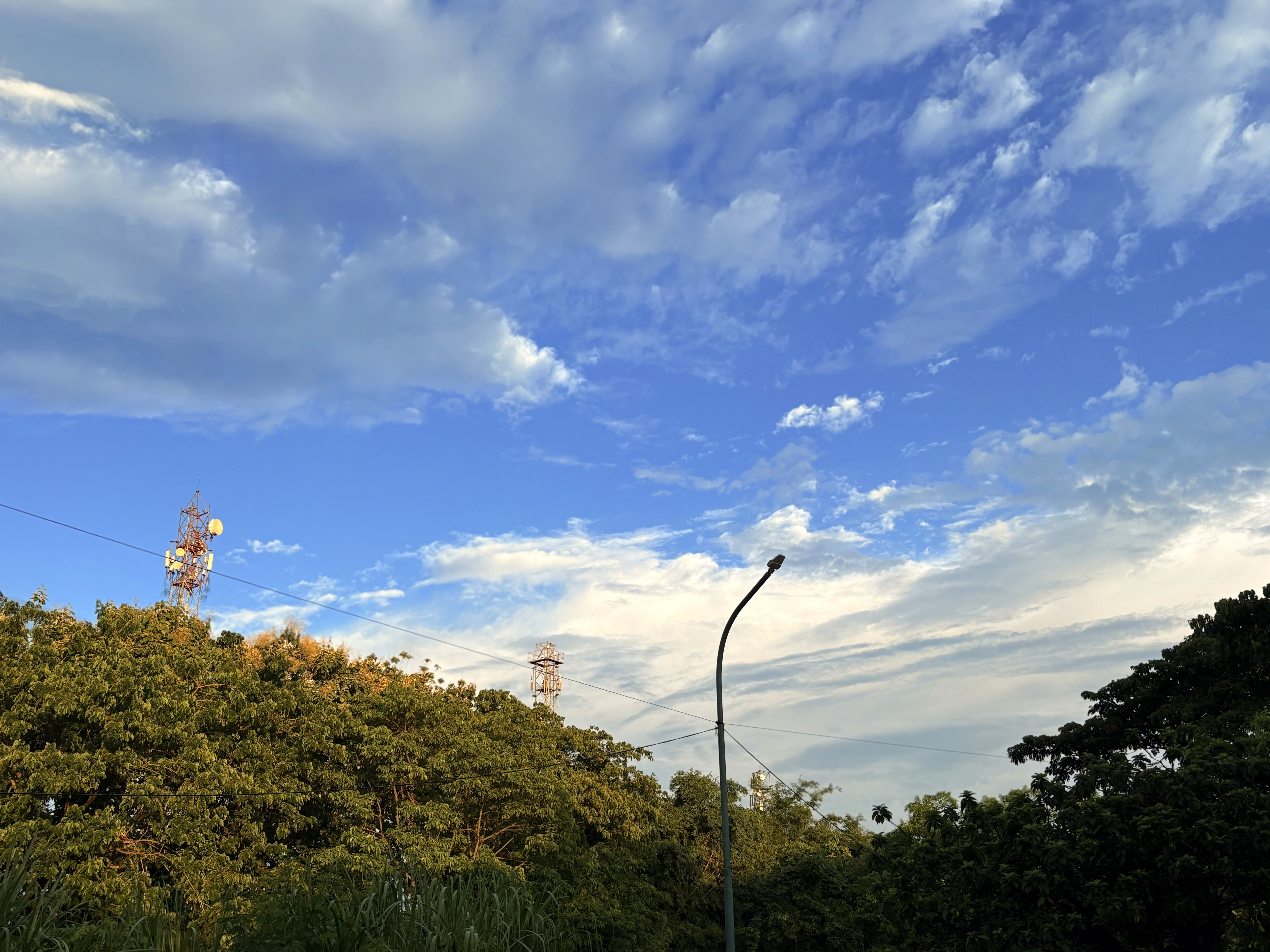
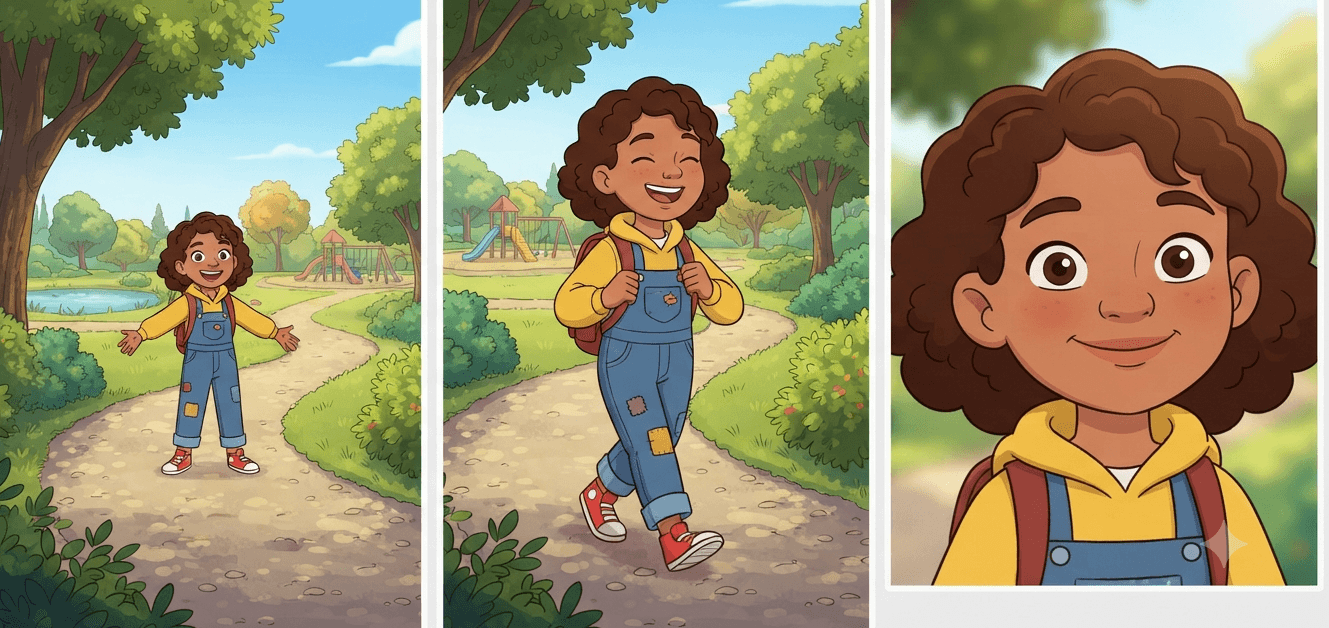
Imagine dividing your frame into nine equal sections using two equally spaced horizontal lines and two equally spaced vertical lines, creating a 3×3 grid. This grid serves as a visual guide, helping you decide where to place your subject, what to include, and what to leave out of the frame. Even a subtle 30° change in camera angle can completely transform the composition. Pairing this with a thoughtful sequence of wide, medium, and close-up shots helps establish the scene while keeping the visual narrative dynamic.
How to Apply the Rule of Thirds?
Step 1: Turn on the 3×3 grid in your camera or smartphone settings.
Step 2: Identify the main subject you want to highlight.
Step 3: Position your subject along one of the grid lines or at the points where the lines intersect, adjusting your camera accordingly.
Step 4: Refine your camera angle to eliminate distracting elements and create a cleaner composition.
Step 5: When photographing landscapes, align the horizon with either the top third or the bottom third of the frame rather than placing it in the centre.
Common Mistakes to Avoid!
One of the most common mistakes is placing the subject in the centre of every frame, which can make the composition feel static and less engaging. Another is positioning the horizon exactly in the middle instead of aligning it with the top or bottom third. Beginners also tend to overlook the grid lines and forget to leave enough space in front of a subject that is moving or looking in a particular direction.
Remember, the Rule of Thirds is a guideline, not a limitation. Photography is far beyond rules—it is an art of observation and expression. Think of this technique as a creative tool that strengthens your visual storytelling and enhances your professional understanding, rather than something that restricts your imagination.
Final Thoughts
Like every artistic skill, the Rule of Thirds becomes instinctive with practice. Over time, you'll begin to visualise the grid naturally, even without turning it on. Continue experimenting with different subject placements, perspectives, and camera angles. The more you observe and practice, the more you'll develop an intuitive sense of composition, allowing you to create images that are not only balanced but also emotionally compelling.
About the Author
Rishabh Yadav (he/him) is a cinematographer and storyteller with a deep passion for films and series. Through filmmaking, he explores diverse cultures, perspectives, and the many shades of human experience. He believes that cinematography is not merely about creating beautiful images, it is a powerful medium through which stories find their voice.
Join the newsletter
Be the first to read our articles.


